
Community & Awareness
National Child Day: Listening to Children, Every Day
National Child Day on November 20 celebrates children's rights in Canada. Explore everyday ways to listen, make space for play and support belonging.
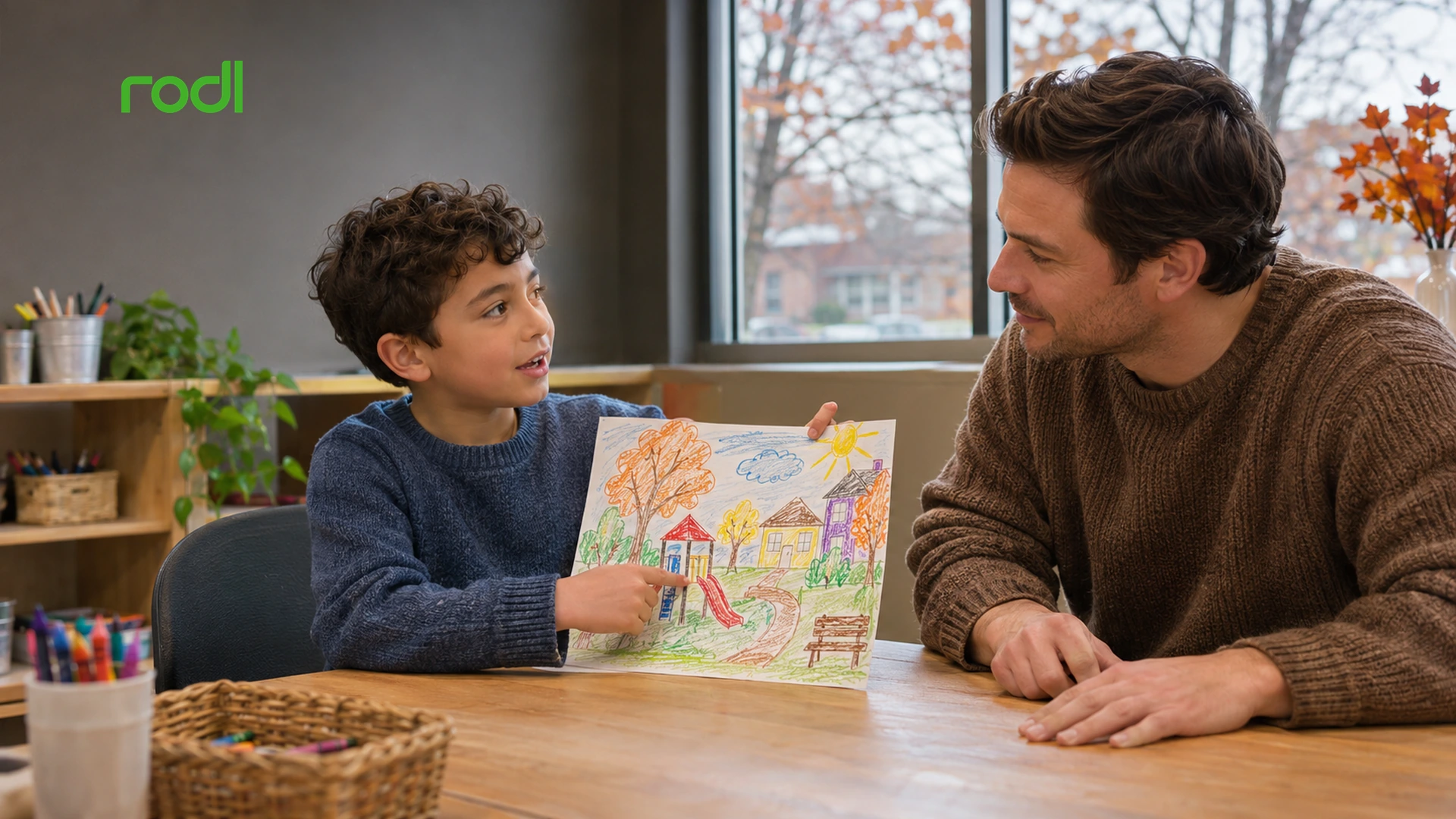
Children notice the details of everyday life: who listens when they speak, whether there is room to join in and how adults respond when something feels difficult.
National Child Day, observed in Canada on November 20, is an opportunity to look at those experiences through the lens of children's rights.
It is a day to celebrate children as people with ideas, perspectives and a place in the decisions that affect them.
What Does National Child Day Recognise?
November 20 marks the adoption of the United Nations Convention on the Rights of the Child in 1989. Canada ratified the Convention in 1991.
The occasion invites families, educators and communities to learn about children's rights and consider how those rights are reflected in daily life.
Rights are not rewards for good behaviour. Every child deserves dignity and respect.
Start With a Question, Then Listen
A conversation does not need to begin with a formal lesson. It can start with a question about a familiar place:
- What helps you feel welcome here?
- Is there something you wish adults understood?
- What would make this activity easier for you to join?
Give a child time to answer. Some may prefer speaking; others may express themselves through drawing, writing or play.
Listening does not mean that a child must make every decision. It means taking their views seriously, explaining decisions in a way they can understand and returning to the conversation when there is more to discuss.
Make Room for Play and Belonging
The Convention recognises children's rights to education, health, protection, rest and play, among others.
Those ideas can shape ordinary moments: allowing time for unstructured play, noticing who is being left out or asking what would help a child participate comfortably.
Belonging also calls for attention to different languages, cultures, abilities and ways of communicating. One family's routine should not become the standard against which every child is judged.
Try One Small Activity Together
Invite a child to draw or describe a place where children feel heard and welcome.
Ask them to explain the details they chose. Rather than correcting the picture, explore one idea together: what could a family, classroom or community group do to bring that idea a little closer?
For structured activities, the Public Health Agency of Canada offers a child rights activity guide for families, educators and youth groups.
Keep the Conversation Going
A commemorative day can begin a conversation. What happens afterwards gives it meaning.
Return to an idea a child shared. Explain what changed, what could not change and why. Let them know their contribution was remembered.
On National Child Day, listening can be a practical expression of respect—one that deserves a place in everyday life throughout the year.